
"You just have to keep working on it. It took me 20 years of building and designing things before I felt like I could make anything really worth building a business around. So I am slow."

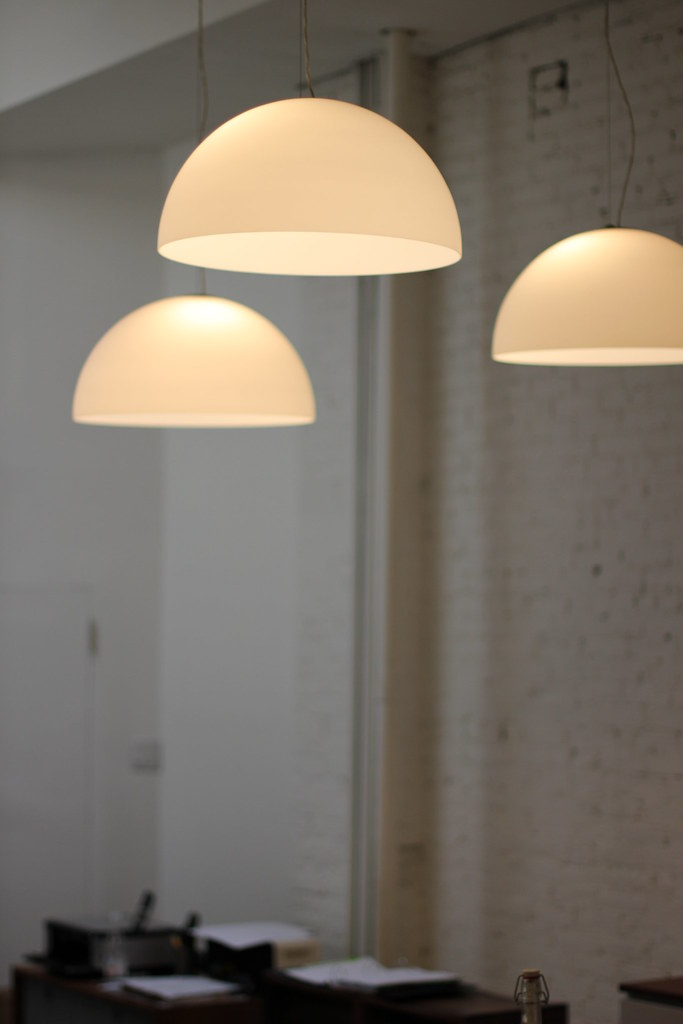
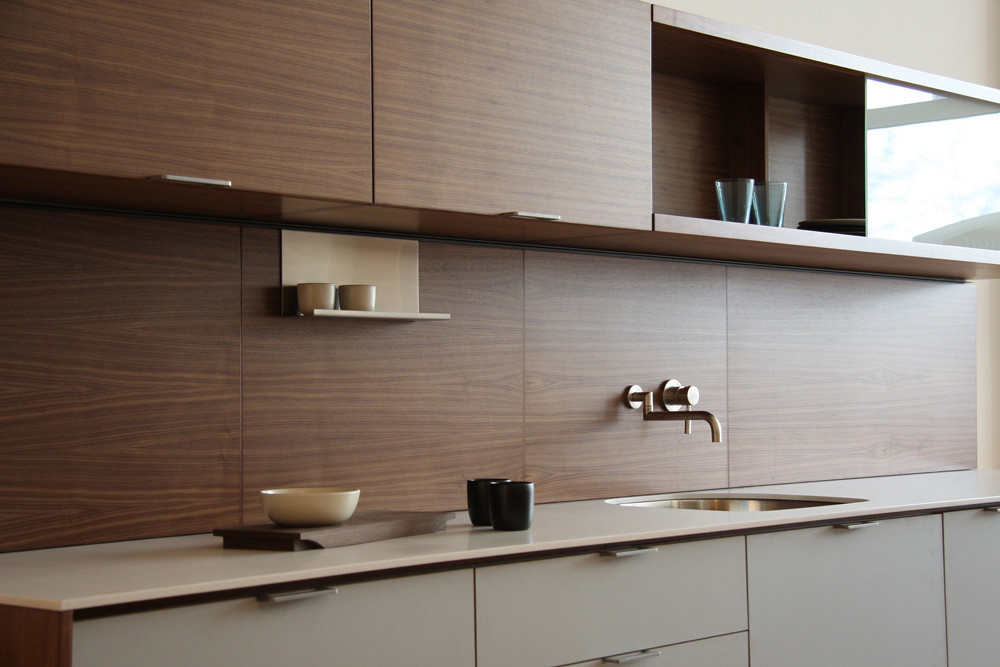
above photos of Henrybuilt's SOHO showroom, by David John.
Henrybuilt began in 2001 out of a shed in Vashon Island. 11 years later, Scott Hudson, Founder and CEO of Henrybuilt, which is based in Seattle with showrooms in Seattle and New York, continues to produce kitchen and home storage systems, as well as hand-built furniture that "feels natural and from the hands." Hudson, the founder of Henrybuilt, created Viola Park, in the last few years during the economic downturn, as a way to reach a new client. Viola Park's clients use software to design their own cabinet systems, bringing prices down, and allowing Hudson's vision to reach a new audience. The company’s current design tool is the beginning of what is becoming a more sophisticated online design system.
Innovation + Craft
When the Henrybuilt office contacted me last year, I was delighted to talk with Scott Hudson about his past, his dedication to working with his hands, and his ability to steer his company into profit when so many companies in the design community have collapsed in the last few years. (no easy task.) On a recent trip to New York, I was able to stop into their Soho showroom on Grand Street, where I was able to touch, and use the Henrybuilt systems. There is indeed a warmth, a feeling of ease, a slowness and authenticity in his work that is immediately apparent upon touch. A feeling of timelessness, and classic "Modern American" craft.
Thanks Scott and Lisa. -David John
Henry Spurgeon Hudson, your grandfather built his homes out of stones gathered from his own property. Tell me about your grandfather, and your relationship to him, and "to making things."
Scott Hudson: My grandfather wanted to become an architect, but his dreams were sidetracked by the depression. He was the only son in a long line of farmers. Although he had to pass up the chance to go to school for architecture at North Carolina State in 1932, he did inherit a 200 acre farm. And on that farm he made a life that turned out to have many blessings he may never have experienced if his life had gone a different way. Perhaps chief among them was the fact that he and his wife became sort of virtuosos of their physical environments. Not artistically, but functionally – and a kind of beauty came out of that. They learned how to make the home they lived in, the food they ate, much of what they wore, and even some of their own tools (my great-grandfather was a blacksmith).
We are distanced from this kind of relationship with our physical environment now as a culture but there is incredible power and grace in the ability to make a life this way – and inspiration.
I worked with my grandfather during the summers starting when I was 12 years old. We ran fence, hauled hay, built stone foundations ( I mostly carried hod ), framed buildings, milled wood salvaged from old barns, and built cabinets for the school district. I loved physical work, but I was mostly just trying to keep up when it came to making things. Only when I left home did I really start making anything of significance on my own.
Henrybuilt is: "Highly refined but approachable- and optimized for use. No novelty. Simple and distilled."
Have you always been interested in refined work, or has it taken you years to distill your work to its fundamental forms and materials?
Scott Hudson: My mother collected Shaker furniture. And my whole family’s farm-based aesthetic was based on function. That’s not to say my grandfather’s work was ‘beautiful’ in a traditional design sense. It was pretty plain. He had a little different orientation to what he was doing than I do. He never would have fussed so much over the ‘beauty’ part. For me, when a thing is distilled in its form, it takes on a dignity that can be out of proportion – in a good and surprising way – with what you would expect a physical object to be able to represent. That is why I am doing this. Because when you achieve that you’ve really done something for someone. But it’s a process. You just have to keep working on it. It took me 20 years of building and designing things before I felt like I could make anything really worth building a business around. So I am slow.
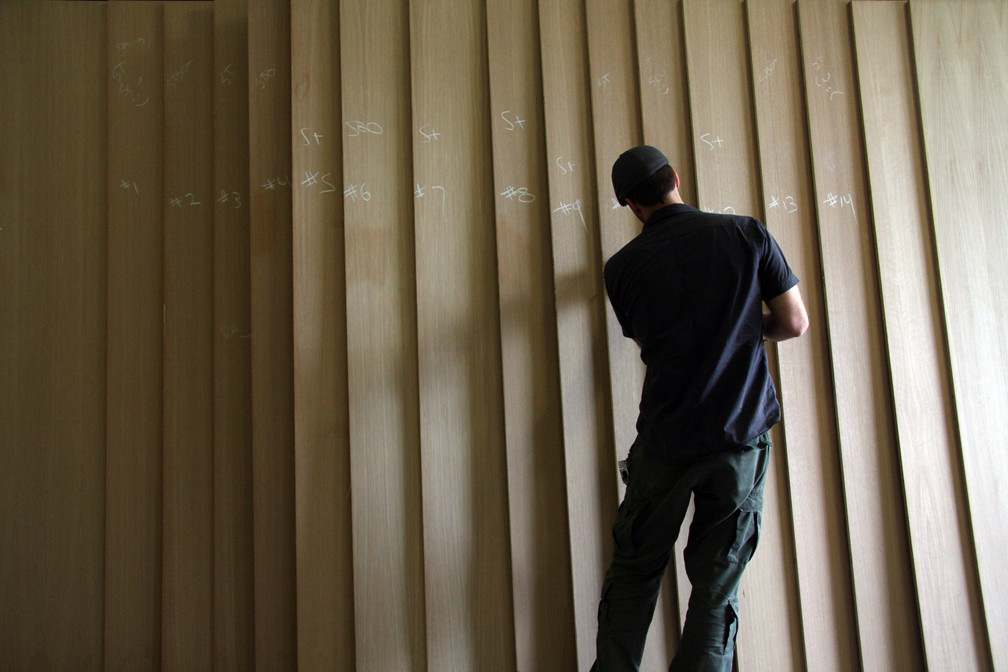
the veneers being labeled and sequenced
How important is "material selection" to you, and what materials do you find yourself attracted to, and why? Favorite materials to work with? Materials that challenge you to no end?
Material selection is very important. Every material has a character. Some better than others for certain things. Most people’s tendency is to isolate materials, though. Really they are only good or bad based on what they are combined with and what they are doing. All good designers and builders know this. But getting this across to others – others who are your clients – can be very challenging. Its not easy to project what a combination of materials will feel like, and its very easy to be seduced by a small piece of stone or wood that in large doses will be all wrong.
My favorite materials ‘wear no makeup’ and don’t show off. They sit quietly, somewhat in the background and look beautiful when you notice them. The best fashion designers understand this – and the subtleties of combining material better than anyone.

Henrybuilt chairs prior to being varnished.
Were you formally trained as a craftsmen?
The only formal training I have as a craftsman was 6 weeks in a welding program that enabled me to work in the oil fields – something I had really wanted to do - during a period when I dropped out college. And to be perfectly clear about this, it is not my craftsmanship that sets the standard for Henrybuilt. It is the work of many other much more talented craftspeople who make up the team at Henrybuilt.
You began Henrybuilt out of a shed in Vashon Island. How quickly did the company grow, and how has your work changed over the 10 years?
The company grew much more quickly than I expected. It doubled in size for the first several years. Recently with the housing downturn, we have grown much more slowly, but we have been fortunate to keep growing and expanding into new areas and new products even through the downturn. We seem to be entering another period of rapid growth now.
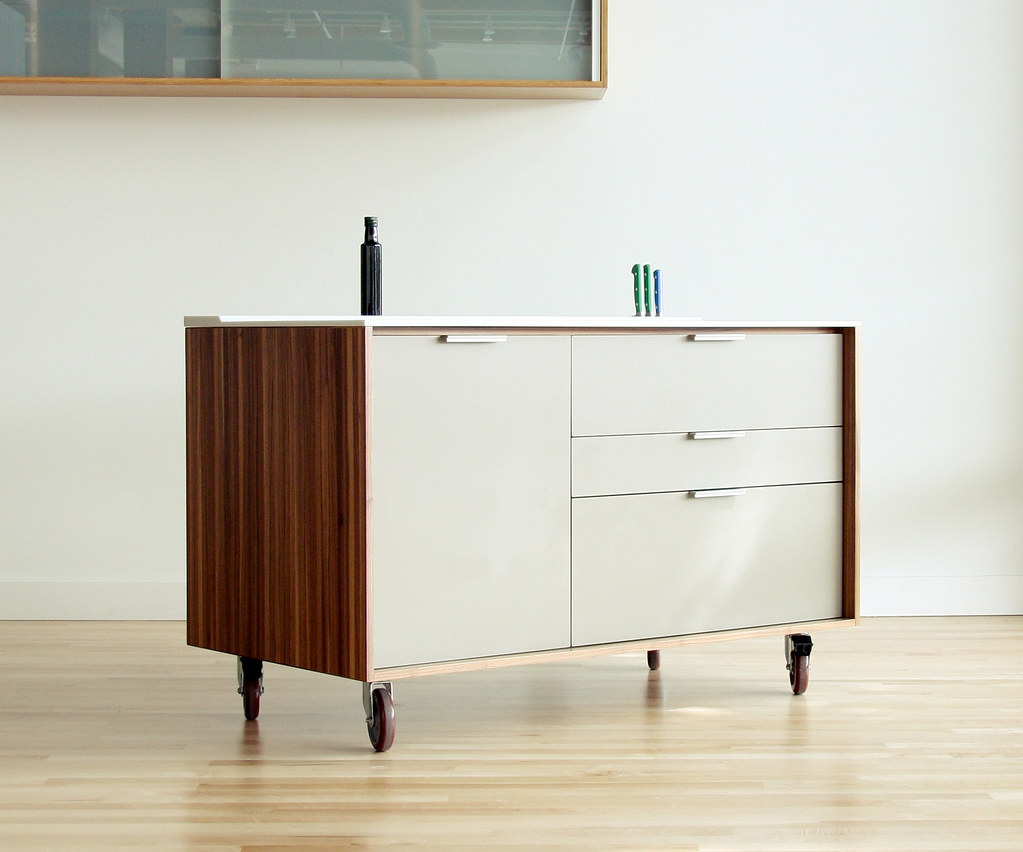
Our work has become more precise, and more complete over the years. The primary focus of our business is the development of systems, like our kitchen system, that combine a very high level of craft with a holistic approach to design. So we are less and less focused on parts, and more and more focused on how assembly’s of parts come together. The concept of approaching a kitchen as a ‘system’ is not ours. It originates in Europe, and company’s like Bulthaup have taken it to a high level. But the combination of this approach with the particular feel we create, and the level of customization – is unique. The objective of creating the ultimate combination of system, customization and craft is what drives our design effort. We believe this system approach is the future of the market and the future of the way people approach the design and building of the best kitchens – and perhaps other areas of the home as well.
Are your kitchens and furniture work following any specific aesthetic design history? Can you step back and see your influences?
We share influences with a lot of modern designers: the Scandinavians, the Japanese, the Shakers, the mid-century modern masters. But we are focused on something our own too that is very American that is difficult to describe. We are trying to achieve the beauty of something that fulfills a large part of its value by being a tool, without losing the feeling that you want to cozy up to it.
One of my goals is to always make things that feel natural and from the hands of the people who are designing and making them. Its always interesting to hear what the guys in the shop think of something as its being designed. The link between designing and making is tight. We try to keep this built into the design and prototyping process. It’s a collaborative effort. And that produces a more honest product. If we were just a designer, or just a manufacturer, the quality of the design that we produce would be different.
There are moments of "color" in your Viola Park line, how do you think about color?
Color is not my first instinct. The credit for the color in the Viola Park line really goes to Virginie Remy, one of the key members of the Henrybuilt design team who worked with me on the development of the line. I wanted to use color in our own version of the way the Shakers did, but she brought it to life and made it Viola Park. The work of Henrybuilt – and Viola Park - is a result of the effort of a lot of people, designers and makers, coming together. And often that includes coming together with our clients, with them as part of the design team.
"Modern American." Do you think this phrase captures Henrybuilt?
It’s an honorable phrase and a worthwhile goal.
Roy McMakin, I can't help to think of his work when I see Henrybuilt. Both of you I feel continue the discussion of minimalism, spare use of color, and a strong study of form, and line.
Roy McMakin’s work is remarkable. It’s flattering for you to find a similarity. He is someone who clearly understands that an object can have powers that transcend what people expect of it – and knows how to create that quality of work – and is willing to do what it takes to make that happen, which is not easy.
Henrybuilt here, and visit Viola Park here.
Follow Henrybuilt tumbler
--------------------


