Laura Owens, 2011
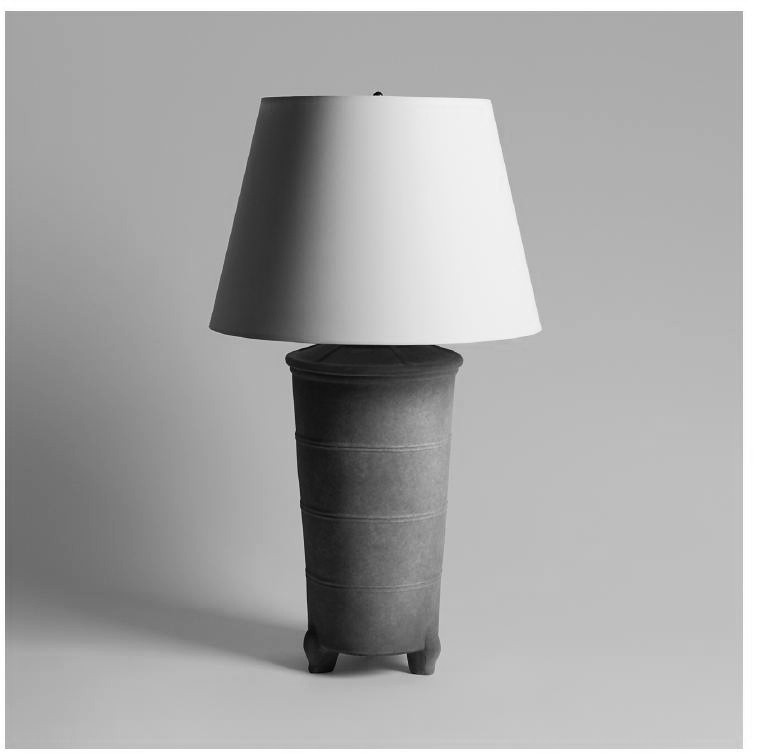
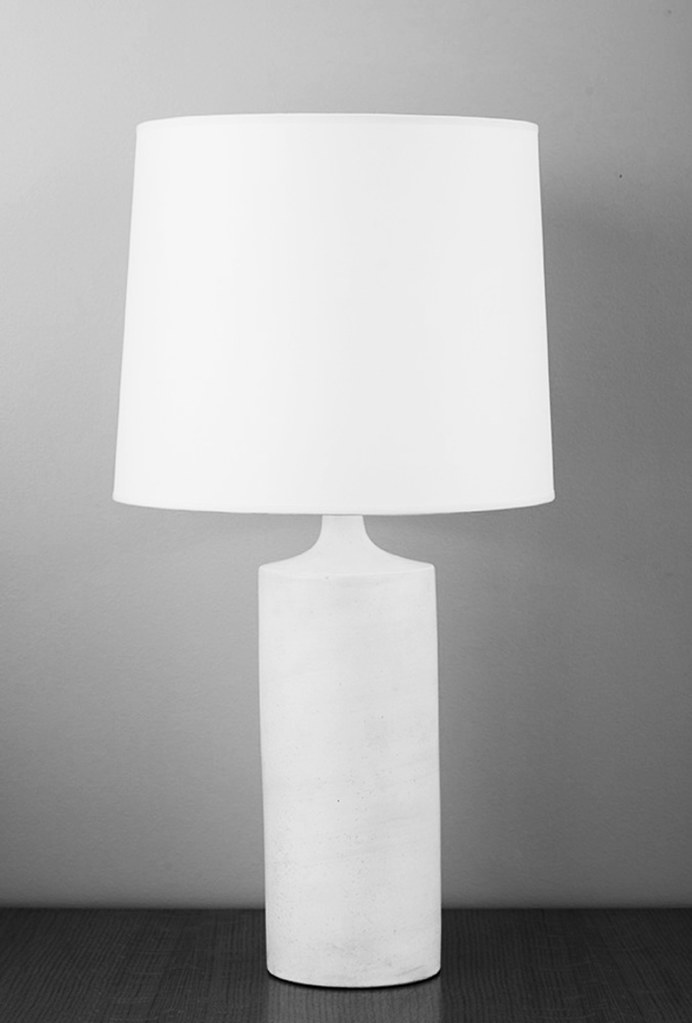
vsGio Ponti, 1930
modern painting and the lamp?"My work gets created in this space of freedom, and that’s why a lot of it has to do with experimentation, invention, and sort of a juxtaposition of things you wouldn’t normally juxtapose. I keep using the word “FREEDOM”—I know there’s probably a better word, but maybe I feel like painting doesn’t have enough of that as a category so I’ll use it anyway." - Laura Owens
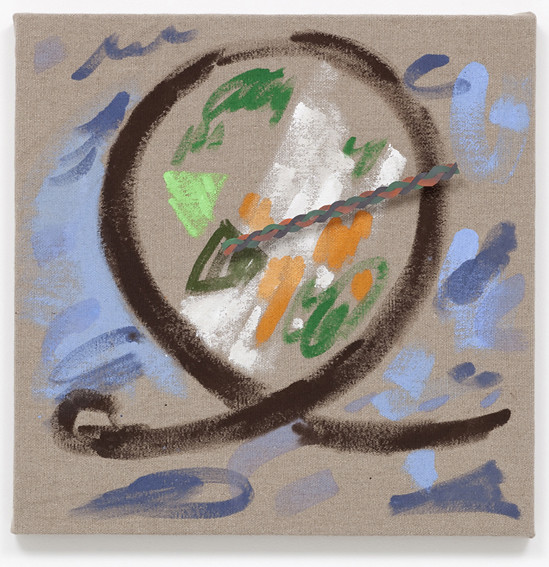
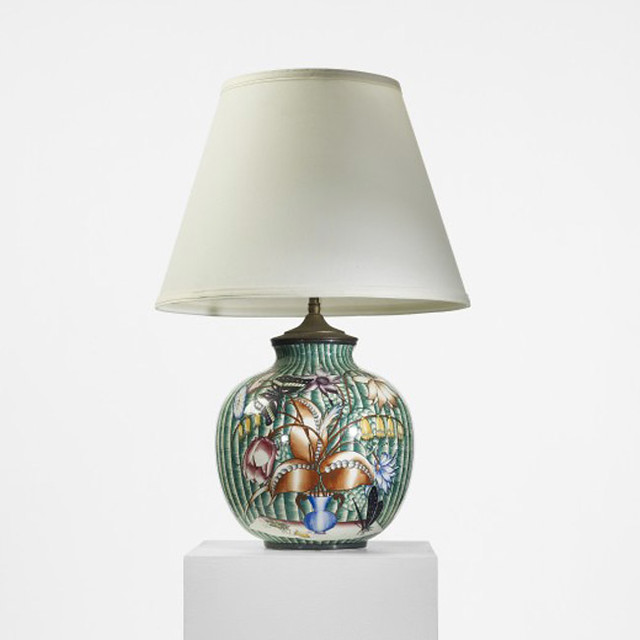 Laura OwensvsGio Pontithe modern painting and the lamp?
 Laura Owens: When you were asking your question I immediately got the image of what happens when you see people as superior to you. Something happens. If you have heroes, and they’re way way above you, it usually means you have to have some people that are inferior to you. I feel like I am constantly looking at everyone I meet and trying to see them in an equal way, with equal standing to me. So that means I have to go into the experience of viewing a van Gogh painting with the mindset, Oh this guy was standing in front of an empty canvas and just painted it one day, you know? There was a real human being who made this painting, not a heroic untouchable, inhuman god. This person went to the bathroom and had all the normal human problems with, you know…
I feel like what’s most important for painting—which has been hierarchically on the top for a really long time in terms of
what is considered fine art, by comparison with something like a comic book or what’s considered low art—is that painting should open up laterally to include other cultures and things that don’t immediately resonate as a painting but are obviously of equal contribution to the genre.
When I look at textiles from Peru or from India and use those elements in a painting, it doesn’t in any way erase the functional quality of those works. It’s not an either-or proposition—that when you take something to the museum you turn it into “fine art” and erase all the contextualization of it. Rather, all sorts of things can co-mingle and be as influential to young artists as, say, a Mondrian. Does that make sense?I feel like there’s a space of personal freedom for me where my art-making happens. When I go to that space, I’m completely in this world of possibility. There’s no inner emotional state that I could compare it to; it’s a space that has its own properties, and they don’t have to do with happy or sad or any of that. I would never say to myself, “Okay, let me go into this space of freedom in order to show you about the pain I have.”
Do you know what I mean? I’m not in the space of freedom if I’m in pain. I’m in sort of a contracted, negative, or dark space.
My work gets created in this space of freedom, and that’s why a lot of it has to do with experimentation, invention, and sort of a juxtaposition of things you wouldn’t normally juxtapose. I keep using the word “freedom”—I know there’s probably a better word, but maybe I feel like painting doesn’t have enough of that as a category so I’ll use it anyway......
please read the whole interview here.... via
the believer....image of
Gio Ponti lamp via Wright Auctions....
. here.Laura Owens image via
Galeria Gisela Capitain----------------------------